

- This event has passed.
Vesa Taatila: Greetings from The Rector of Turku UAS 5
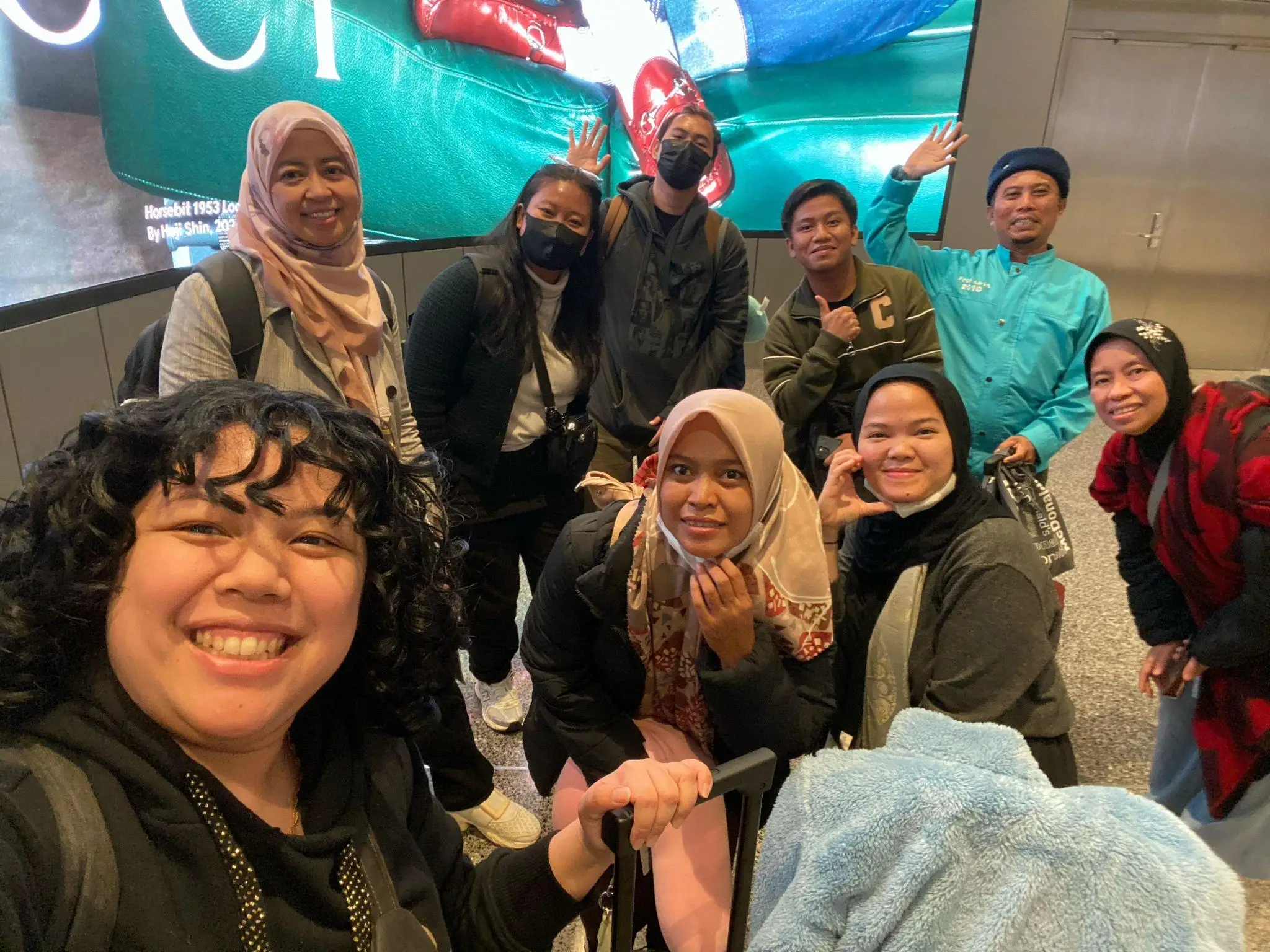
Vesa Taatila, rector of Turku University Applied Sciences, warmly welcomed the arrival of the TEACH Program Team from the University of Indonesia. He was very enthusiastic about the collaboration between TUAS and UI. And he hopes that this program will provide broad benefits, not only for the university, but for the community and environment at large. And at the end of the session, Indri Susilowati, as a lecturer representative from the University of Indonesia team, gave a gift to the TUAS rector as a symbolic form of TEACH program collaboration that had occurred between TUAS and UI.
Tuuli Merla: Introduction to Turku UAS Teaching Facilities
Tuuli Merla introduced some buildings at the Kupittaa campus area, such as: Educity, ICT-city, and Medisiina D. Along the tours, we can see that The space benefits from excellent air quality, illuminated by natural sunlight streaming through the open windows. This infusion of sunlight not only brightens the interior but also contributes to a healthier environment, enhancing both mood and well-being. Complementing this serene ambiance is an art installation thoughtfully curated for public engagement, serving as a therapeutic outlet for nurturing mental well-being.
The open design of the building itself reflects a commitment to transparency, where every element is laid bare, fostering a sense of trust and connection between inhabitants and their environment. In this holistic approach to architecture, the interplay of open spaces and artistic expression intertwines to create a sanctuary that nurtures both physical and mental health, inviting all to find solace and inspiration within its walls.
Turku UAS programmes are relevant to working life because they combine theoretical studies with practice in professional skills. Innovation Pedagogy, a new approach to learning developed at Turku UAS, is the core of their teaching strategy. Innovation Pedagogy is focused on a mix of RDI and working life. This methodology turns out graduates with the ability to think critically and excellent international knowledge and communication skills.
EduCity
The EduCity building at Turku University of Applied Sciences (TUAS) serves as a central hub within the Kupittaa campus, embodying TUAS’ strategic vision and fostering a dynamic learning environment for the entire university community. Designed to facilitate collaboration and innovation, EduCity features numerous facilities for group work, encouraging interactions between staff and students and promoting a new approach to learning. Alongside these shared learning spaces, EduCity boasts laboratory facilities and specialized premises, providing students with hands-on experience and supporting research endeavors. Additionally, the building houses a Service Centre, offering internal services and creating a cohesive environment for staff and students alike. The first-floor restaurant and pub provide vibrant social hubs, enhancing the campus experience for all.
Turku UAS EduCity Architecture
Notably, art plays a significant role in enriching the atmosphere of EduCity, with the KampusART arts programme integrating artworks into both indoor and outdoor spaces. These artworks, created by professional artists and art students alike, not only contribute to the aesthetic appeal of the building but also create recognizable scenes and enhance the overall pleasantness of the environment, further enriching the educational experience at EduCity.
In addition to its focus on fostering collaboration and innovation, EduCity also prioritizes sustainability and environmental responsibility. The building is designed with eco-friendly features and practices, such as energy-efficient lighting and heating systems, renewable energy sources, and waste reduction initiatives. Moreover, EduCity integrates sustainable design principles into its architecture, utilizing recycled materials and prioritizing natural ventilation and daylighting to create a comfortable and environmentally friendly learning environment. Through its commitment to sustainability, EduCity not only minimizes its environmental footprint but also educates and inspires students to become responsible stewards of the environment in their future careers.
Medisiina D
Medisiina D building at Turku University of Applied Sciences (TUAS) stands as a cornerstone for health education, offering a diverse array of specialized programs designed to meet the evolving needs of the healthcare industry. Nestled within the TUAS campus, this modern facility serves as a hub for students pursuing careers in healthcare, particularly in the fields of newborn and baby care, as well as elder management.
At the heart of Medisiina D’s offerings is its comprehensive program in newborn and baby care, which equips students with the knowledge and skills necessary to provide compassionate and effective care for infants and young children. The program places a strong emphasis on practical experience, with students engaging in simulations and clinical placements in maternity wards, pediatric clinics, and childcare centers. By immersing themselves in real-world scenarios, students develop the confidence and competence needed to navigate the complexities of caring for newborns and babies.
Similarly, Medisiina D offers a specialized program in elder management, addressing the unique challenges associated with caring for an aging population. Practical training opportunities allow students to gain firsthand experience working with elderly individuals in various settings, including nursing homes, rehabilitation centers, and community care facilities. Through these experiences, students learn to navigate the complexities of aging, develop empathy and compassion for elderly individuals, and acquire the skills needed to provide holistic care that enhances their quality of life.
ICT-city
The modern premises in ICT City were a part of Turku UAS’ Kupittaa Campus and Turku Science Park. For example, future bachelors of social services, dental technicians, emergency nurses, physiotherapists, midwives, radiographers, nurses and engineers study on the campus. Both teaching and administrative staff of Turku UAS work in the building.
The ICT-City building has various facilities, such as classrooms, auditoriums and restaurants for students. The restaurant itself serves food at cheap prices (3 euros) with the condition of showing a meal subsidy card for TUAS students.
Opening hours for each ICT building entrance were different. This Lobby service of ICT-city building was available on weekdays Monday-Friday 08:00 A.M – 06:00 P.M. The main doors of ICT-city building were open on weekdays Monday-Friday 7:45 A.M – 06:30 P.M, and A-wing’s doors were open on weekdays Monday-Friday 7:45 A.M – 05:00 P.M. But, students and staff can enter with their access control tags also outside the opening hours.
The ICT-City building was designed to allow easy access for people in wheelchairs. The elevators were sized to fit a wheelchair. Each floor has three elevators. The floor buttons are placed lower, and can be reached also by those using a wheelchair.
Visit the Information and Communications Technology (ICT) Services : Getting access to the TEAMS channel of TEACH Program
All team members, both lecturers and students from UI and TUAS, are asked to install the Microsoft TEAMS application on ICT services. This TEAMS application will be used as a communication medium between TUAS and UI during the TEACH program. All members who have access to the TEACH Program group in Microsoft TEAMS can take advantage of chat features, video calls, file storage, etc. so that communication can run effectively and integrated.
Visit Kahmari Circular Economy Learning Facility & Topinoja Waste Management Centre
Municipal waste management and the circular economy network in Finland are integral components of the country’s sustainability efforts. Finland has established a comprehensive system aimed at minimizing waste generation, maximizing recycling and reuse, and promoting resource efficiency. At the core of municipal waste management in Finland is the principle of waste hierarchy, which prioritizes waste prevention, followed by reuse, recycling, energy recovery, and as a last resort, disposal.
Municipalities play a crucial role in implementing waste management strategies, often through waste collection, sorting, and recycling programs. Finland has made significant strides in waste sorting and recycling infrastructure, with extensive networks of collection points for various materials, including paper, glass, metal, and plastics.
Moreover, Finland is actively transitioning towards a circular economy model, which aims to keep materials and resources in use for as long as possible, thus minimizing waste and maximizing value. The circular economy framework emphasizes product design for longevity, repairability, and recyclability, as well as the development of innovative business models such as product-as-a-service and sharing platforms.
In Finland, circular economy initiatives extend beyond waste management to encompass various sectors, including manufacturing, construction, and transportation. The government, businesses, and civil society collaborate closely to promote circular practices and drive systemic change. For instance, Finland’s national road map for the circular economy sets out ambitious targets and actions across different sectors, emphasizing the importance of collaboration, innovation, and investment in circular solutions. Overall, Finland’s approach to municipal waste management and the circular economy reflects a commitment to sustainability, innovation, and holistic resource management, positioning the country as a leader in the global transition towards a more sustainable future.
Key Messages
These are findings from a site visit. Firstly, the significance of learning media, teaching aids, and technology was emphasized, facilitating immersive learning experiences akin to real-world scenarios. Secondly, practical learning methods were highlighted as essential for enhancing students’ capacities and skills, ensuring theoretical knowledge translates into practical application. Thirdly, the importance of cultivating a comfortable learning atmosphere was underscored, exemplified by Turku University Applied Sciences’ incorporation of artistic elements into building design. Finally, comprehensive waste management was recognized as crucial for fostering a healthy environment, emphasizing waste minimization and maximizing its value.