
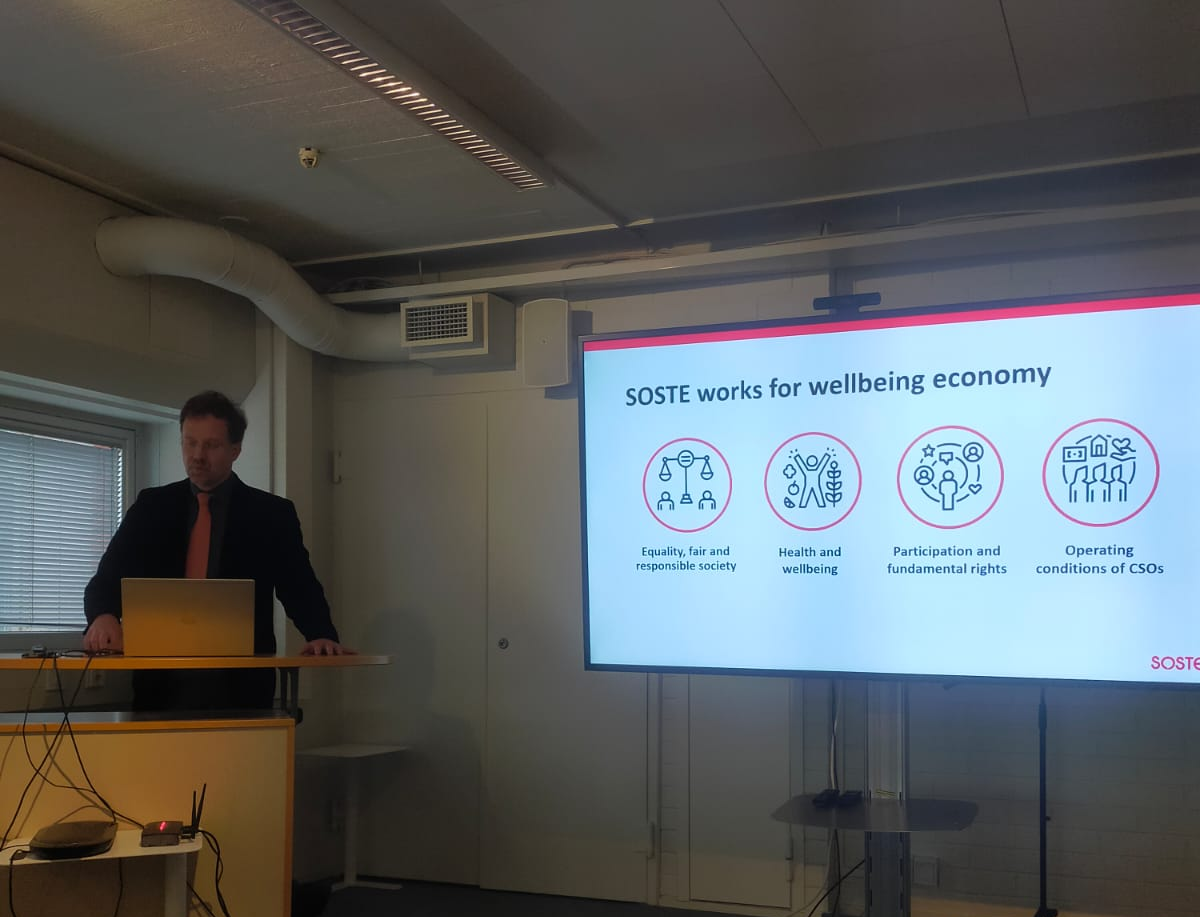
SOSTE (Suomen Sociali ja Terveys ry) was a national umbrella organization that has brought together more than 250 social and health organizations and dozens of other member organizations, working together for 10 years.
As a national umbrella organization, SOSTE has several policy goals, such as ensuring the operating conditions of organizations, providing equal and human-centered social and health services, reducing poverty and the cost of medical expenses, streamlining the social security system, and recognizing that everyone’s contribution in working life was valuable.
SOSTE has been operated on a regional, national, and international level. There were several programs that have been implemented, such as influencing social planning and decision making, promoting cooperation between social and health CSOs and their stakeholders, producing research information, supporting innovative solutions in the field of CSOs and social services and healthcare, and providing training and counseling for CSOs, for example in legal issues.
In 2020, SOSTE decided to become more involved in the issues of climate change and sustainable development, because climate change was a serious threat for humankind and no single climate change was value-free. Since 2020, SOSTE has taken several actions to fight climate change, such as monitoring and analyzing the climate discussion, influencing key stakeholders, taking part in legislation processes, advising and encouraging SOSTE’s members, taking part in public discussion, and outlining new policies.
Windi Indra Muziasari: Introduction of Resistomap & Laboratory Facilities
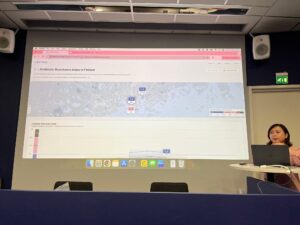
Resistomap, founded in 2018 by Windi Muziasari, PhD, and William Nurmi, stands as a leading force in the fight against antibiotic resistance. By harnessing the combined expertise of microbiology and data science, Resistomap pioneers innovative methods for environmental surveillance of antibiotic resistance, firmly rooted in the One Health approach. Headquartered in Helsinki, a diverse team of specialists collaborates tirelessly to
advance global efforts in antibiotic resistance monitoring.
Beyond the scientific endeavors, Resistomap is dedicated to advocacy, education, and community engagement. They work closely with policymakers, healthcare professionals, and environmental agencies to inform evidence-based strategies and shape policies that prioritize antimicrobial stewardship and environmental conservation. Through outreach initiatives and partnerships, they raise awareness about the urgent threat of antibiotic resistance and empower individuals and organizations to take proactive steps toward prevention and mitigation.
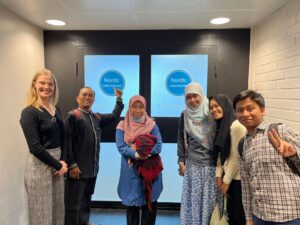
Resistomap’s impact extends far beyond the laboratory. Their innovative surveillance methods have proven instrumental in identifying emerging hotspots of antibiotic resistance, guiding targeted interventions and mitigation strategies worldwide. Furthermore, their research and data insights contribute to the global knowledge base on antimicrobial resistance, informing the development of new antibiotics, vaccines, and alternative therapies.
As they look toward the future, Resistomap remains steadfast in their commitment to innovation, collaboration, and advocacy. Their vision is a world where antibiotic resistance is effectively monitored, managed, and mitigated, ensuring the continued efficacy of antibiotics for generations to come. Together, with determination and perseverance, they will overcome this daunting challenge and safeguard the health and well-being of the planet and its inhabitants.
WaterFinns: Voluntary Civic Organization Related to Water Management
Kia Tähkänen was the project coordinator in WaterFinns’ WASH Model Village Project in Nepal and has been an active member of WaterFinns for 2 years. She explained that WaterFinns was founded in 2001.
WaterFinns operated on a voluntary basis to implement development cooperation projects in developing and transitional countries. All projects were water-related, focusing on areas such as water resources, aquatic environments, agriculture and irrigation, water supply and sanitation, as well as wastewater treatment. The members of WaterFinns came from various fields, e.g., water engineering, water diplomacy, social work, and regional development.
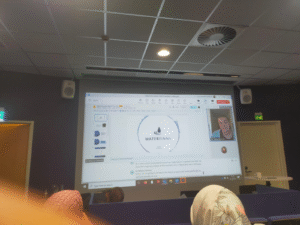 As civic organizations, WaterFinns has several goals, such as cooperation projects, implementing development, knowledge transfer from one generation to another, and aiming to promote professional expertise in the water sector in developing countries and transition economies. WaterFinns’ projects mainly focus on education, implementation, and research. Some projects have been completed, such as those in Nepal, Tanzania, Vietnam, and Kenya. Current projects include those in Ethiopia (Halaba Zone, 2021–2024) and Nepal (WASH Model Village Project, 2023–2025).
Farewell Dinner at the Embassy of Indonesia
On our last night in Finland, we were invited to the Embassy of Indonesia for a farewell dinner. Both the Indonesian and Finnish teams (consisting of teachers and students) attended the dinner, with an additional honorary guest, Ms. Windi Indra Muziasari from Resistomap. The dress code had been decided beforehand, and since it was a seated formal dinner, we were all instructed to wear formal clothes. The Indonesian team agreed to wear Batik as a tribute to Indonesian culture.
Upon arrival, we were greeted by one of the Ambassador’s secretaries, Ms. Rizkia Amelia Sania Putri, or Ms. Amel for short, along with the rest of the house staff. We were directed to the coat-hanging station to leave our coats and then invited into the main room of the house. The Ambassador, Mrs. Ratu Sylvi Gayatri, greeted us one by one, during which we introduced ourselves. We had some small talks before dinner started, and when the table was ready, we were welcomed to the dining room. The seating arrangement had already been set up with a seating chart beforehand, so everybody could immediately go to their designated positions.
We were served a three-course meal by a professional private Indonesian chef. The first course, the appetizer, was a rendition of a traditional Indonesian salad-type dish called asinan. It was a modern deconstructed twist on the traditional dish, which was amazingly light and refreshing. For the second dish, the main course, we were served a hearty meal consisting of a log of rice filled with a selection of either mackerel fish, chicken, or a vegetarian option, encased in banana leaves and grilled over an open fire. Accompanying the rice were traditional beef skewers and sautéed broccolini, with shrimp crackers, rempeyek, and sambal on the side.
For the last course, dessert, we were served a pandan mousse-style pudding with coconut ice cream on the side and fresh, delicious fruits (mostly berries). After the three-course meal, there was a tea and coffee session. We could choose from an impressive assortment of teas and a special coffee imported all the way from Indonesia, accompanied by some chocolate. All the dishes were served while guests engaged in interesting and stimulating conversations.The highlight of the evening was the chance to get to know the Ambassador better through a one-on-one session. All in all, it was a great night and a perfect way to end the trip.
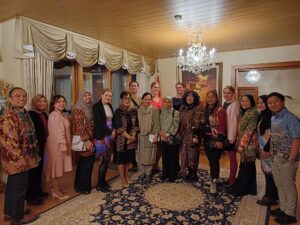
Picture taken with the Ambassador of Indonesia for Finland
Key Messages
The main thing we learned on the last day of the visit was about how preserving Planetary Health needed all the resources we have by using a multidisciplinary approach. Every field has their own part in the process, including raising the issues, doing research as well as field visits, making innovations, and many more. Each sector, whether it be social or scientific, could have their own ways of contributing in the preservation of Planetary Health. Therefore, we need to be open to all possibilities of teamwork, collaboration, and cooperation to reach common grounds, and hopefully, eventually to reach the goal of saving the planet together.